C-DRONE GUIDE · 9 JUNE 2026
A drone over my house: what can I do? Your rights and remedies
A drone circling over your garden, lingering near your windows, coming back several evenings in a row? You are not powerless: French law protects your privacy and strictly regulates flights over private property. Here is what you can do, step by step — and what you must absolutely not do.
What the law says: overflight is not banned, spying is
Let us start with a surprising truth: no text purely and simply forbids a drone from passing over private property. Article L6211-3 of the French transport code allows aircraft to overfly properties, provided the flight does not interfere with the owner's rights. A drone transiting at a reasonable height above your plot, without lingering or capturing images of your private life, commits no offence as such.
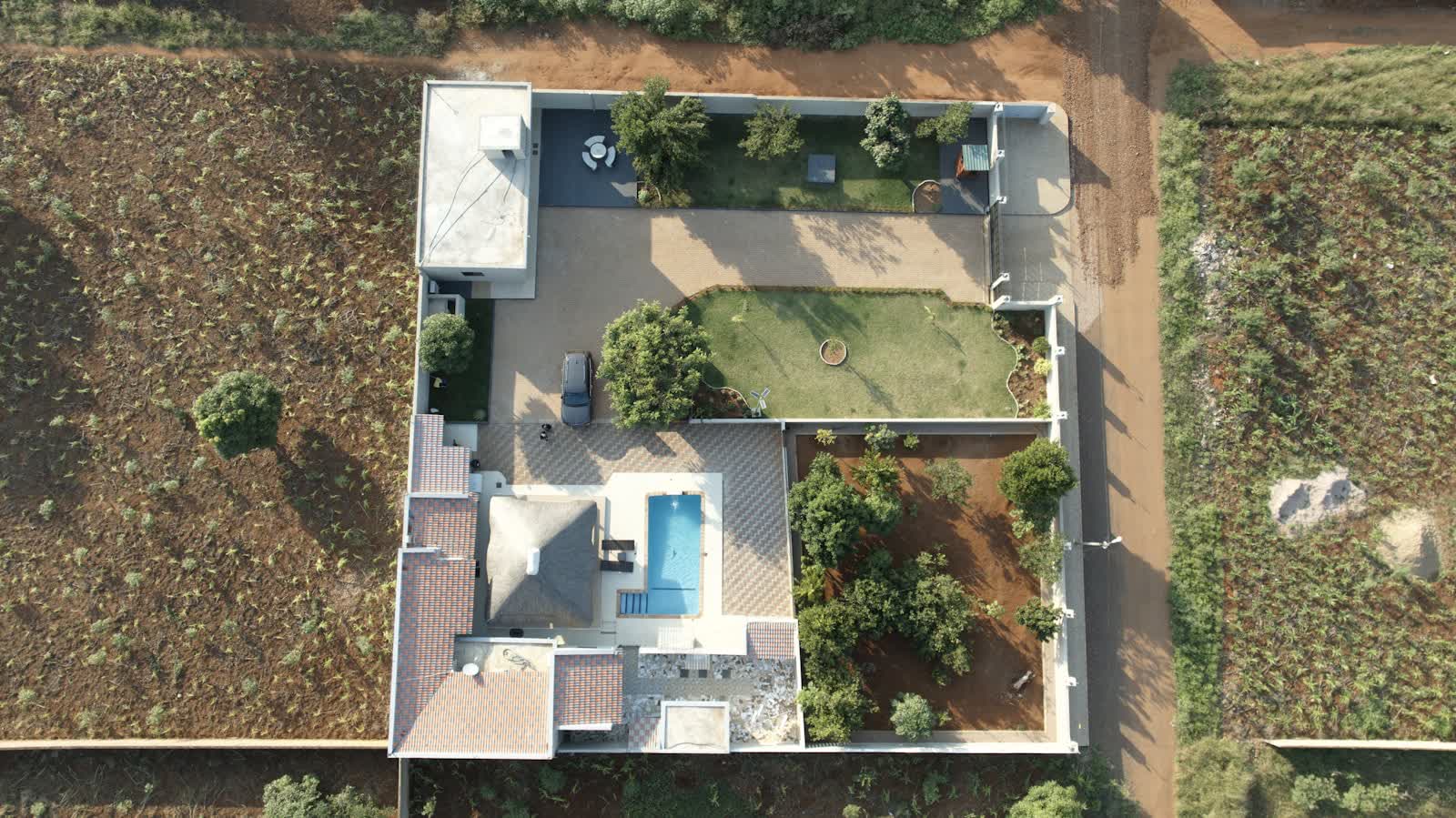
Everything changes once privacy comes into play. Article 226-1 of the French criminal code punishes with one year's imprisonment and a €45,000 fine the act of capturing, recording or transmitting, without consent, the image of a person in a private place. A drone filming your terrace, your pool or the inside of your rooms through a window falls squarely under this text. Add to that low-altitude nuisance flying (abnormal neighbourhood disturbance), harassment if the passes are repeated, and purely aeronautical offences: a private individual may not fly at night, nor over people. To understand the rules from the pilot's side, our guide on overflying people and private property details what a pilot may and may not do.
In the moment: the right reflexes (and the mistake to avoid)
First thing to do: observe and note. Where does the drone come from, where does it return, how high is it flying, does it linger facing windows, does it carry a visible camera? Most consumer drones have under 30 minutes of endurance: the pilot is almost always within a few hundred metres, often in sight. If you spot them, stay courteous: in the majority of cases it is a clumsy neighbour or a beginner unaware of the rules, and a calm conversation settles the matter for good.
The absolute mistake: trying to neutralise the drone. Shooting it down, aiming a water jet at it, jamming its signal or hijacking its radio link exposes you to prosecution for destroying someone else's property (up to two years' imprisonment and a €30,000 fine), and a 900-gram drone falling from 50 metres can kill. Frequency jamming is furthermore a specific offence under the French posts and electronic communications code. Even exasperated, even fundamentally in the right, let the drone fly and document everything: that is the path that succeeds.
Building a solid evidence file
If the passes are repeated, keep a log: date, time, duration, flight path, estimated height, drone behaviour (hovering facing a window, looping over the pool). Film the drone with your phone, including fixed landmarks — your roof, a tree — that help establish its position and approximate height. Enable timestamping or check that your videos' metadata is intact. Dated, signed statements from neighbours strengthen the file considerably, especially if they describe the same time slots.
An important point: you are entirely within your rights to film a drone flying above your home, and even its pilot if they operate from public space — the exact counterpart of the protection you enjoy. If footage from the drone later appears on social media or a website (your house recognisable, you or your children identifiable), take timestamped screenshots with the URL visible before requesting removal: content vanishes fast once someone complains. Publication is a separate offence from capture (article 226-2 of the criminal code) and also concerns the CNIL, France's data protection authority.
Identifying the drone and its pilot
Under European regulations, most recent drones continuously broadcast a Remote ID signal containing the operator number, the drone's position and the pilot's position. Free smartphone apps (Drone Scanner, OpenDroneID) pick up this signal via Bluetooth or Wi-Fi: if the drone passes nearby, you can record its UAS operator number — valuable data for any investigation. In France, drones over 800 grams must additionally broadcast a national electronic identification signal, which law enforcement knows how to use.
Other identification leads: any drone over 250 g (or fitted with a camera and flown by a declared operator) must visibly display the operator number; local model aircraft clubs and neighbourhood groups often know who flies where; and if the drone works for a professional (roofer, real-estate photographer, surveyor), a legitimate mission leaves traces — the company will normally have informed residents, and in built-up areas a préfecture declaration with ten working days' notice must have been filed. A lawful professional flight is not clandestine: it is precisely the furtive, repetitive character that should alert you.
Filing a complaint: whom to contact and on what grounds
If the drone is airborne and the situation seems serious (insistent hovering, late hour, feeling of surveillance), call 17 (French police emergency): a patrol can intercept a pilot still on site, and the report will be logged in any case. For repeated incidents, file a complaint at the gendarmerie or police station, or in writing to the public prosecutor. The possible grounds stack up: invasion of privacy (article 226-1 of the criminal code: one year's imprisonment, €45,000 fine), publication of captured images (226-2), and aviation offences — unlawful overflight in breach of the rules exposes the pilot to one year's imprisonment and a €75,000 fine under the transport code, penalties detailed in our guide to drone penalties and inspections in France.
Alongside criminal action, two complementary routes: the CNIL, which you can petition online if images of you are published or if you suspect organised data collection; and the civil courts, via interim proceedings, to stop an abnormal neighbourhood disturbance and obtain damages — useful when the perpetrator is identified but persists. If the pilot is a neighbour, a registered letter citing the legal texts, or free conciliation at a justice centre, often extinguishes the conflict before it reaches court.
Frequently asked questions about drones over your home
Is it legal to fly a drone over my house? Simple transit is not prohibited. However, lingering, flying disruptively low, filming your private life or overflying people present is illegal. A private individual may in any case not fly over public space in built-up areas nor at night.
Can I destroy or capture the drone? No, never. You would commit an offence (destroying someone else's property, up to a €30,000 fine) and create a real danger. Document and report, do not neutralise.
How can I find out who owns the drone? Via the Remote ID signal picked up by a free smartphone app, the operator number displayed on the machine if you recover it, or a gendarmerie investigation with access to the AlphaTango operator register.
What does a pilot spying on me risk? Up to one year in prison and a €45,000 fine for invasion of privacy, and up to one year and €75,000 for unlawful overflight offences — the two can be combined.
What if it is a professional drone on a legitimate mission? A serious professional notifies residents, flies in daytime, does not linger over neighbouring properties and can produce their declaration. When in doubt, ask: transparency is the first sign of legitimacy.